


 Carroll Suarez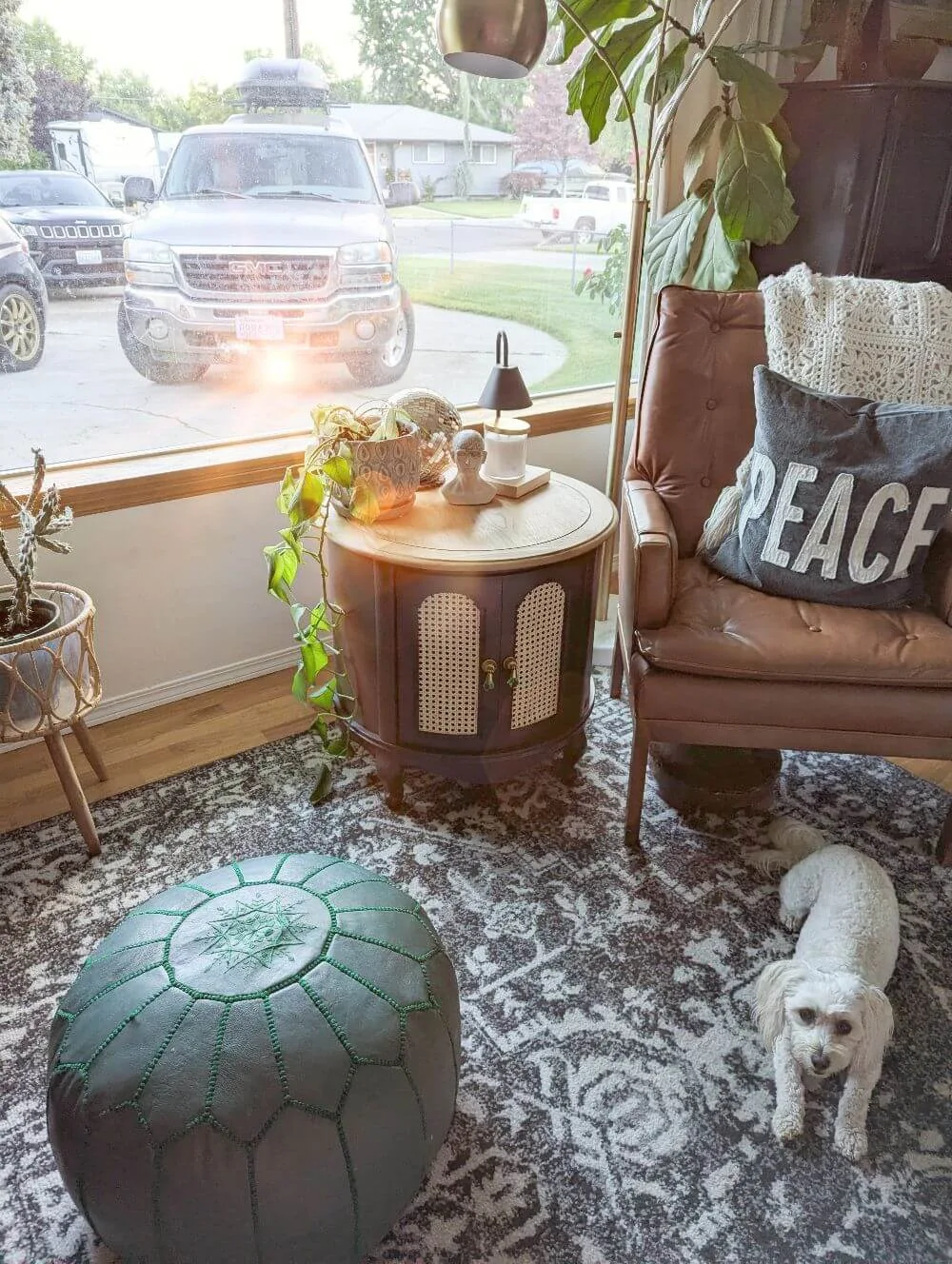
Let’s be honest — your living room deserves a conversation starter. Not just a generic sofa from a big-box store. Not another mass-produced coffee table that looks like everyone else’s. No. You want something with a story. Something that makes guests pause mid-sentence and ask, “Where did you get that?” That’s where upcycled and vintage furniture steps in. It’s not just furniture; it’s a personality transplant for your space.
Why Vintage and Upcycled Pieces Work as Focal Points
Here’s the deal — a focal point anchors a room. It draws the eye, sets the mood, and gives the rest of your decor a reason to exist. Vintage furniture, with its patina and quirks, does this effortlessly. Upcycled pieces? They add a layer of creativity and sustainability. You know, like that old trunk turned into a coffee table with a glass top. Or a mid-century armchair reupholstered in a bold, modern fabric. They’re not just furniture; they’re art with function.
Think about it — a shiny new sofa from a catalog might look nice, but it rarely has soul. A vintage credenza with a few scratches and a story? That’s different. It has character. And honestly, in a world of fast furniture, character is a luxury.
The Emotional Pull of the Past
There’s something about owning a piece of history. Even if you don’t know the full story — maybe it’s a 1950s Danish sideboard or a weathered farmhouse table — you feel it. The wood grain tells tales. The brass handles have been touched by dozens of hands before yours. That emotional weight… it’s grounding. It makes your living room feel lived-in, not just staged.
How to Choose the Right Vintage Piece for Your Room
Not every vintage find works as a focal point. You need something that commands attention without screaming for it. Here’s a rough guide — think of it as a checklist, but looser.
- Scale matters. A tiny Victorian side table will get lost in a large room. A massive armoire? That’s a statement. Measure your space first.
- Color contrast. A bright turquoise armchair against a neutral wall? Instant drama. A dark wood hutch on a white wall? Classic.
- Condition with quirks. A little wear is charming. A broken leg is a project. Know your limit — unless you’re handy, stick to pieces that are structurally sound.
- Function first. A vintage trunk as a coffee table is great — if it’s the right height. A bar cart from the 60s? Perfect if you entertain. Don’t force a piece into a role it doesn’t fit.
Oh, and one more thing — trust your gut. If a piece makes you smile every time you look at it, that’s your focal point. Period.
Upcycling: The Art of Giving Old Furniture New Life
Upcycling isn’t just painting an old dresser white and calling it a day. I mean, sure, that works — but it’s so much more. Think about reimagining the purpose entirely. A vintage door becomes a headboard. An old ladder becomes a blanket rack. A suitcase becomes a side table. The possibilities are honestly endless.
Here’s a quick breakdown of popular upcycling projects that make killer focal points:
| Original Item | Upcycled Focal Point | Why It Works |
|---|---|---|
| Vintage trunk | Coffee table with storage | Texture, history, hidden function |
| Old window frame | Mirror or wall art | Architectural interest, light reflection |
| Mid-century dresser | TV console or bar cabinet | Clean lines, retro vibe |
| Wooden pallet | Rustic sofa table | Industrial charm, low cost |
| Vintage suitcase | Side table or pet bed | Quirky, movable, conversation starter |
See the pattern? The best upcycles keep the original soul while adding a new purpose. It’s like a second act for furniture — and your living room gets the starring role.
DIY vs. Buying Ready-Made
You might be thinking, “Should I do it myself or just buy an upcycled piece?” Well, that depends. DIY gives you total control — and a sense of pride. But it also takes time, tools, and patience. Buying ready-made from a vintage shop or Etsy seller? Faster, but pricier. Both are valid. Honestly, I’ve done both. The DIY route taught me a lot about sanding and staining. The ready-made route saved my sanity during a busy month. No shame either way.
Styling Your Focal Point: Don’t Overpower It
Once you’ve got your star piece, let it shine. Don’t crowd it with clutter. A vintage armoire doesn’t need a dozen knick-knacks on top — maybe one lamp and a small plant. A reupholstered chair? Give it breathing room. Let the eye rest on it.
That said, you can layer. A vintage rug underneath a modern sofa? That’s a nice tension. An upcycled coffee table with a stack of old books and a ceramic vase? Perfect. Just keep the focal point as the hero. Everything else is a supporting character.
Where to Find Vintage and Upcycled Gems
You don’t need a huge budget. In fact, some of the best finds come from humble places. Here’s where to look:
- Thrift stores and charity shops. Go often. Inventory changes daily. Be patient.
- Estate sales. These are gold mines for mid-century and antique pieces. Arrive early.
- Facebook Marketplace and Craigslist. Search for “vintage,” “retro,” or “old.” Negotiate politely.
- Flea markets and antique malls. Prices vary, but you can haggle. Bring cash.
- Online vintage shops (Chairish, 1stDibs, Etsy). More curated, higher prices. Great for specific styles.
- Your own attic or basement. Seriously — check what’s been sitting there for years. You might already own a focal point.
Pro tip: Always check for woodworm, wobbly legs, or musty smells before buying. A little wear is fine. A pest problem is not.
Mixing Vintage with Modern: The Sweet Spot
You don’t have to go full antique. In fact, mixing old and new creates the most interesting spaces. A sleek, modern sofa next to a rustic upcycled trunk? That’s visual tension done right. A vintage Persian rug under a minimalist glass coffee table? Chef’s kiss.
The trick is balance. Let the vintage piece be the anchor — the thing that gives the room depth. Then let modern pieces provide clean lines and comfort. It’s like a conversation between eras. And honestly, that’s what makes a living room feel alive.
A Quick Note on Lighting
Lighting can make or break a focal point. A vintage floor lamp beside a reupholstered chair? That draws the eye. A spotlight on a painted armoire? Dramatic. Use warm light to highlight textures — wood grain, fabric weave, brass patina. Cool light can wash out those details. So go warm. Your vintage piece will thank you.
The Sustainability Angle (It Matters More Than You Think)
Let’s be real — we’re all trying to be a little more eco-conscious. Choosing vintage or upcycled furniture keeps pieces out of landfills. It reduces demand for new materials. And it often uses better craftsmanship than modern particleboard stuff. That’s a win for your living room and the planet. You don’t have to make it a political statement. Just know that every vintage piece you bring home is a small act of rebellion against throwaway culture.
And let’s not forget — vintage furniture is often built to last. Solid wood. Dovetail joints. Real veneer, not printed plastic. So you’re not just buying a focal point; you’re buying longevity. That’s rare these days.
Common Mistakes to Avoid
I’ve made plenty of mistakes myself. So here’s a short list — learn from my blunders.
- Over-restoring. Don’t strip all the patina. That’s the charm. A little wear is beautiful.
- Ignoring scale. A giant armoire in a tiny room? It’ll feel like a cave. Measure twice.
- Mismatching styles without intent. Eclectic is great. Chaotic is not. Have a thread — color, wood tone, or era — that ties things together.
- Forgetting function. A beautiful vintage chair that’s uncomfortable? It’ll just collect dust. Make sure it works for your life.
- Buying on impulse. I once bought a 1960s bar cart that didn’t fit through my door. Yeah… don’t do that.
Conclusion: Your Living Room, Your Story
At the end of the day, your living room should reflect you. Not a magazine spread. Not a Pinterest board. You. And nothing says “you” like a piece of furniture with a past — reimagined for your present. Whether it’s a weathered farmhouse table, a retro credenza, or a DIY upcycled trunk, that focal point becomes part of your home’s narrative. It’s not just decor. It’s a memory waiting to happen.
So go ahead. Hunt for that gem. Sand it, paint it, or leave it exactly as is. Let it anchor your space. And when someone asks, “Where did you get that?” you’ll have a story to tell. That’s the whole point, isn’t it?


